ByJohn A
Integrated Facility Services The Smart Approach to Efficient Facility Management
Modern businesses face increasing pressure to maintain safe, productive, and cost effective workplaces while focusing on their core operations. Whether managing a commercial office, healthcare facility, manufacturing plant, educational institution, or retail complex, organizations require a reliable system to ensure their buildings operate efficiently every day.
This is where integrated facility services have become an essential business solution. Instead of hiring multiple vendors for cleaning, security, maintenance, landscaping, pest control, waste management, and other operational needs, companies are now choosing a single integrated provider that manages all facility-related services under one coordinated strategy.
Integrated facility services streamline operations, reduce costs, improve communication, and deliver consistent service quality across every aspect of facility management. As organizations continue to embrace digital transformation and operational efficiency, this approach has become one of the most effective ways to maximize asset performance while enhancing employee satisfaction.
This article explores what integrated facility services are, their key components, business benefits, industry applications, practical examples, and why they represent the future of facility management.
What Are Integrated Facility Services?
Integrated facility services refer to the coordinated management of multiple facility-related functions through a single service provider or management system. Rather than outsourcing each service independently, businesses consolidate their operational requirements into one comprehensive solution.
These services typically include:
- Housekeeping and janitorial services
- Security management
- Building maintenance
- HVAC maintenance
- Electrical maintenance
- Plumbing services
- Landscaping
- Pest control
- Waste management
- Reception and front desk support
- Asset management
- Energy management
- Workplace support services
The primary objective is to improve operational efficiency while maintaining high standards of safety, cleanliness, compliance, and functionality.
See also: Marine Exhaust Systems Florida A Complete Guide to Reliable Boat Exhaust Solutions
Why Businesses Are Moving Toward Integrated Facility Services
Traditional facility management often involves several independent contractors. While this model may appear flexible, it frequently creates communication challenges, inconsistent service quality, duplicate costs, and accountability issues.
Integrated facility services solve these problems by centralizing responsibility under one experienced management team.
Key reasons businesses choose this approach include:
Better Coordination
When one provider oversees multiple services, scheduling becomes more efficient. Maintenance activities, cleaning schedules, inspections, and repairs can be coordinated without conflicts.
Improved Accountability
A single point of contact simplifies communication. Organizations no longer need to coordinate with multiple vendors for everyday operational issues.
Cost Savings
Bundled services reduce administrative expenses, optimize workforce utilization, and eliminate unnecessary duplication of resources.
Higher Service Quality
Standardized operating procedures ensure consistent service delivery across all facility functions.
Core Components of Integrated Facility Services
A successful integrated facility services program includes several interconnected functions.
Housekeeping Services
Clean workplaces create healthier environments and improve employee productivity. Professional housekeeping includes:
- Daily office cleaning
- Restroom sanitation
- Floor maintenance
- Glass cleaning
- Waste collection
- Deep cleaning schedules
A clean environment also leaves a positive impression on visitors and clients.
Security Services
Security is an essential component of facility management.
Services often include:
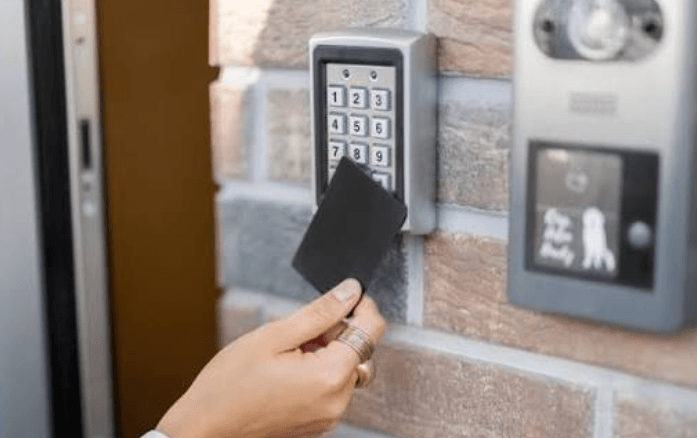
- Access control
- Visitor management
- CCTV monitoring
- Security guards
- Emergency response
- Incident reporting
Integrated security ensures a safe workplace while protecting valuable assets.
Preventive Maintenance
Preventive maintenance minimizes equipment breakdowns and extends asset lifespan.
Common maintenance tasks include:
- HVAC inspections
- Electrical system checks
- Plumbing maintenance
- Fire safety equipment testing
- Elevator maintenance
- Generator servicing
Routine maintenance significantly reduces costly emergency repairs.
Technical Maintenance
Modern commercial buildings depend on sophisticated infrastructure.
Technical teams manage:
- Electrical systems
- Mechanical equipment
- Lighting
- Building automation systems
- Water systems
- Backup power solutions
Regular inspections help maintain operational continuity.
Landscaping and Exterior Maintenance
First impressions matter.
Professional landscaping services include:
- Lawn maintenance
- Tree trimming
- Irrigation management
- Seasonal planting
- Exterior cleaning
- Parking area maintenance
Well-maintained outdoor spaces contribute to property value and employee satisfaction.
Waste Management
Proper waste management supports sustainability initiatives and regulatory compliance.
Services include:
- Waste segregation
- Recycling programs
- Hazardous waste disposal
- Organic waste management
- Collection scheduling
Businesses increasingly prioritize environmentally responsible waste practices.
The Role of Technology in Integrated Facility Services
Technology has transformed facility management significantly.
Modern integrated facility services use advanced digital tools to improve efficiency and decision-making.
Examples include:
Computerized Maintenance Management Systems
These systems schedule preventive maintenance, monitor work orders, and track equipment history.
Internet of Things Sensors
Smart sensors monitor:
- Temperature
- Humidity
- Air quality
- Occupancy
- Equipment performance
- Energy usage
Real-time monitoring enables faster response to operational issues.
Mobile Workforce Management
Field staff receive work assignments instantly through mobile applications, improving response times and service transparency.
Data Analytics
Facility managers analyze operational data to identify trends, optimize maintenance schedules, reduce energy consumption, and improve overall efficiency.
Practical Example of Integrated Facility Services
Imagine a large corporate office with more than 1,000 employees.
Instead of managing separate contracts for cleaning, security, electrical maintenance, plumbing, landscaping, and pest control, the company hires one integrated service provider.
The provider develops a centralized management plan.
Cleaning teams coordinate with maintenance staff.
Security personnel communicate directly with reception services.
Preventive maintenance is scheduled after office hours to minimize disruption.
Energy consumption is monitored daily.
Facility managers receive a single monthly performance report covering every service.
This coordinated approach improves operational efficiency while reducing administrative workload.
Industry Applications
Integrated facility services benefit organizations across numerous industries.
Corporate Offices
Businesses rely on professional facility management to maintain productive workplaces.
Services include:
- Office cleaning
- Meeting room support
- Security
- HVAC maintenance
- Reception management
Healthcare Facilities
Hospitals require strict hygiene standards.
Integrated services support:
- Infection control cleaning
- Biomedical waste management
- Technical maintenance
- Security
- Patient support services
Educational Institutions
Schools and universities require continuous maintenance throughout the academic year.
Facility services help maintain:
- Classrooms
- Laboratories
- Libraries
- Sports facilities
- Student housing
Manufacturing Facilities
Factories depend on reliable infrastructure.
Integrated facility services ensure:
- Equipment maintenance
- Safety inspections
- Utility management
- Housekeeping
- Waste disposal
Retail Centers
Shopping malls and retail outlets require exceptional customer experiences.
Facility management includes:
- Public area cleaning
- Escalator maintenance
- Security
- Parking management
- HVAC support
The Importance of Preventive Maintenance
Preventive maintenance remains one of the strongest advantages of integrated facility services.
Instead of waiting for equipment failures, maintenance teams perform scheduled inspections and servicing.
Benefits include:
- Reduced downtime
- Longer equipment lifespan
- Improved safety
- Lower repair costs
- Better operational reliability
For example, replacing worn HVAC components during scheduled maintenance can prevent expensive system failures during peak summer months.
Sustainability Through Integrated Facility Services
Sustainability has become a strategic priority for modern organizations.
Integrated facility services support environmental goals through:
- Energy-efficient lighting
- Water conservation
- Recycling initiatives
- Green cleaning products
- Smart energy monitoring
- Sustainable landscaping
Organizations reduce environmental impact while lowering operational expenses.
Improving Employee Experience
Facility management directly affects workplace satisfaction.
Employees appreciate:
- Clean workspaces
- Comfortable temperatures
- Reliable equipment
- Safe environments
- Quick maintenance responses
These factors improve productivity, reduce absenteeism, and strengthen employee morale.
A positive workplace also enhances an organization’s reputation among clients and prospective employees.
Choosing the Right Integrated Facility Services Provider
Selecting the right provider requires careful evaluation.
Businesses should consider:
Industry Experience
Choose a provider with experience managing facilities similar to yours.
Skilled Workforce
Qualified technicians and trained support staff ensure consistent service quality.
Technology Capabilities
Modern providers should use digital maintenance systems, reporting platforms, and performance monitoring tools.
Compliance Knowledge
The provider should understand local regulations related to workplace safety, environmental standards, and building operations.
Flexible Service Plans
Every facility has unique operational requirements.
Customized service packages provide better value than generic solutions.
Why Businesses Trust Professional Facility Management
Many organizations discover that managing facility operations internally consumes valuable management time.
Professional integrated facility services allow leadership teams to focus on strategic business objectives while experts manage day-to-day building operations.
A trusted provider develops customized service plans based on business requirements, operational risks, compliance needs, and long-term asset management goals.
For businesses seeking dependable facility management solutions, Facility Network delivers comprehensive support designed to improve operational efficiency, workplace safety, and service consistency. By combining experienced professionals, modern technology, and tailored facility strategies, Facility Network helps organizations maintain productive environments while reducing operational complexity.
Future Trends in Integrated Facility Services
Facility management continues to evolve rapidly.
Several trends are shaping the future:
Artificial Intelligence
AI assists with predictive maintenance by identifying equipment issues before failures occur.
Smart Buildings
Integrated building management systems automate lighting, HVAC, security, and energy consumption.
Robotics
Autonomous cleaning machines improve efficiency in airports, hospitals, and large commercial facilities.
Data-Driven Decision Making
Facility managers increasingly rely on analytics to optimize staffing, maintenance schedules, and operational costs.
Greater Sustainability
Organizations continue investing in environmentally responsible facility operations to support corporate sustainability goals.
Best Practices for Successful Implementation
Businesses can maximize the value of integrated facility services by following several best practices.
Establish clear performance indicators for every service area. Regularly review maintenance reports and service quality metrics to identify opportunities for improvement. Encourage open communication between the service provider and internal stakeholders so that operational issues can be addressed promptly. Conduct periodic facility audits to ensure compliance with safety standards and operational objectives. Finally, embrace technology that provides real-time visibility into maintenance activities, energy consumption, and asset performance.
When these practices are consistently applied, organizations experience improved efficiency, reduced downtime, and higher levels of customer and employee satisfaction.
Conclusion
Integrated facility services have become an essential strategy for organizations seeking operational excellence, cost control, workplace safety, and long-term asset performance. By bringing multiple facility functions together under one coordinated management approach, businesses can simplify operations, improve service quality, enhance sustainability, and create better environments for employees and visitors alike.
As technology continues to transform facility management, integrated solutions will play an even greater role in helping organizations adapt to changing workplace demands while maintaining efficiency and compliance. Investing in professional integrated facility services is not only a smart operational decision but also a long-term strategy for sustainable business growth and improved facility performance. For organizations ready to enhance their workplace operations with a trusted partner, contact us.