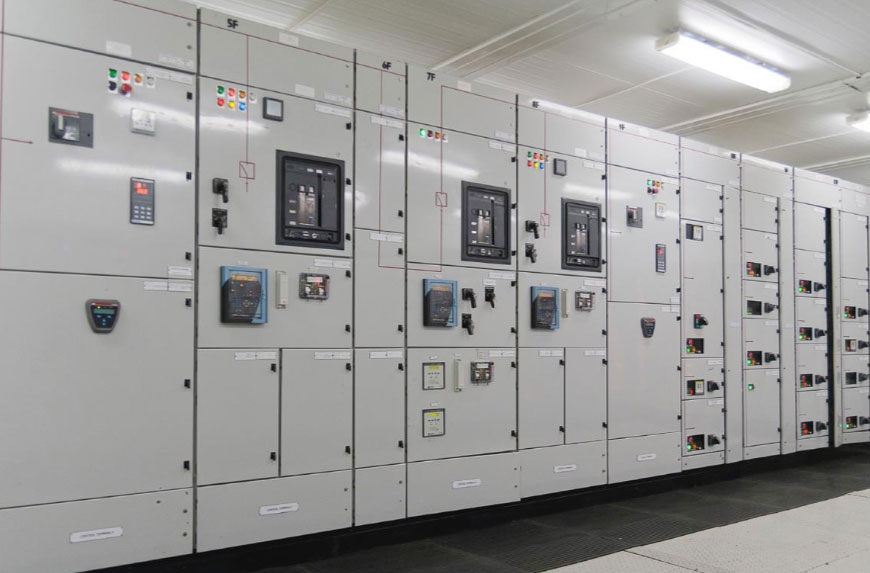

The rapid growth of urban infrastructure, industrial development, and renewable energy systems has increased the need for efficient and reliable electrical distribution solutions. Modern power networks require equipment that can deliver high performance while using less space and providing improved safety. Compact gas insulated switchgear solutions transforming modern electrical networks are helping meet these demands by offering advanced power control, protection, and distribution capabilities.
Gas insulated switchgear (GIS) represents a significant advancement in electrical switching technology. Unlike traditional air-insulated systems, GIS uses insulating gas within sealed compartments to provide reliable electrical isolation and arc protection. This compact design allows electrical networks to achieve greater efficiency while reducing installation space requirements.
From urban substations to industrial power systems, compact GIS solutions are becoming an essential part of next-generation electrical infrastructure.
Understanding Compact Gas Insulated Switchgear Technology
Gas insulated switchgear is an electrical equipment assembly designed to control, protect, and isolate sections of power distribution systems. It combines multiple components, including circuit breakers, disconnectors, earthing switches, and busbars, into a sealed enclosure.
The primary difference between GIS and conventional switchgear is the use of insulating gas instead of air for electrical insulation.
Compact GIS systems provide:
- Reliable electrical isolation
- High operational safety
- Reduced installation footprint
- Improved environmental protection
- Long service life
Because of their compact structure and dependable performance, these systems are widely used in medium-voltage and high-voltage applications.
The Growing Need for Compact Electrical Solutions
Electrical networks are becoming increasingly complex due to rising energy consumption, urban expansion, and the integration of renewable energy sources.
Traditional electrical equipment often requires large installation areas and extensive maintenance access. However, modern projects frequently face space limitations, especially in cities and densely populated areas.
Compact GIS solutions address these challenges by offering:
- Smaller substations
- Flexible installation options
- Better space utilization
- Enhanced operational efficiency
These advantages make GIS technology particularly valuable for modern electrical networks where reliability and space efficiency are equally important.
Key Features of Advanced Gas Insulated Switchgear Systems
Space-Efficient Design
One of the most important advantages of compact GIS is its reduced physical size.
Because insulating gas provides superior dielectric performance compared to air, electrical components can be installed closer together without compromising safety.
This allows GIS systems to be installed in locations such as:
- Urban substations
- Commercial buildings
- Industrial facilities
- Underground electrical rooms
- Renewable energy sites
The smaller footprint helps reduce construction requirements and makes electrical expansion easier.
Enhanced Electrical Protection
Electrical networks must be protected against faults, overloads, and switching disturbances.
Compact GIS systems include advanced protection components that help maintain safe operation.
Protection features may include:
- High-speed circuit breakers
- Fault isolation systems
- Earthing mechanisms
- Monitoring devices
These features improve system reliability and reduce the risk of equipment damage.
Sealed Enclosure Construction
GIS equipment uses sealed metal enclosures that protect internal components from external conditions.
The enclosed design provides resistance against:
- Dust
- Moisture
- Pollution
- Extreme weather conditions
This makes GIS suitable for challenging environments where conventional equipment may require additional protection.
Improved Operational Reliability
Modern GIS systems are designed for continuous operation with minimal interruptions.
Their enclosed structure reduces exposure to environmental factors, helping maintain consistent electrical performance over extended periods.
Benefits of Compact Gas Insulated Switchgear Solutions
Reduced Installation Space
Space availability is a major challenge in modern electrical projects.
Compact GIS requires significantly less room compared to traditional switchgear systems, allowing engineers to design smaller substations and optimize available areas.
This is especially beneficial for:
- Metropolitan power networks
- High-rise buildings
- Industrial complexes
- Infrastructure projects
Lower Maintenance Requirements
Because GIS components are enclosed and protected, they experience less exposure to environmental conditions.
This reduces maintenance requirements and improves operational consistency.
Benefits include:
- Fewer inspections
- Reduced cleaning requirements
- Longer equipment life
- Lower maintenance expenses
Improved Safety Performance
Safety is a major consideration in electrical system design.
GIS technology enhances safety by containing electrical components within secure enclosures.
This helps reduce risks associated with:
- Accidental contact
- Arc faults
- Environmental contamination
- Equipment failures
Reliable Performance in Harsh Conditions
Compact GIS systems are designed to operate effectively in demanding environments.
They are suitable for locations affected by:
- High humidity
- Industrial pollution
- Extreme temperatures
- Limited installation space
Their robust construction supports dependable operation under challenging conditions.
Applications of Compact Gas Insulated Switchgear
Urban Power Distribution Networks
Cities require reliable electricity distribution while facing limited space availability.
GIS systems help utilities build compact substations that support growing urban power requirements.
They are commonly used in:
- City substations
- Underground distribution systems
- Commercial districts
- Residential developments
Industrial Facilities
Industries depend on stable electricity for production processes and automated systems.
Compact GIS solutions support industrial applications by providing reliable switching and protection for:
- Manufacturing plants
- Processing facilities
- Heavy machinery systems
- Industrial control networks
Renewable Energy Integration
The transition toward renewable energy requires advanced electrical infrastructure.
GIS systems support renewable projects by providing efficient switching and protection for:
- Solar farms
- Wind power installations
- Energy storage facilities
Their compact design is especially valuable where renewable projects have limited available space.
Transportation Infrastructure
Modern transportation systems require dependable electrical networks.
GIS technology is used in applications such as:
- Railway power systems
- Metro networks
- Airport electrical infrastructure
- Electric vehicle charging facilities
Reliable switching equipment helps maintain uninterrupted operations.
Important Components of Gas Insulated Switchgear
Circuit Breakers
Circuit breakers protect electrical systems by interrupting current flow during faults.
In GIS systems, they provide fast and reliable fault-clearing capability.
Disconnectors
Disconnectors allow sections of electrical systems to be safely isolated for maintenance.
Earthing Switches
Earthing switches provide safe grounding during maintenance activities and system shutdowns.
Busbar Systems
Busbars distribute electrical power within the switchgear assembly while maintaining efficient energy flow.
Monitoring Equipment
Advanced sensors and monitoring systems provide information about equipment condition and operating performance.
Factors to Consider When Choosing GIS Solutions
Voltage Requirements
The GIS system must match the voltage level and operational requirements of the electrical network.
Proper selection ensures safe and efficient performance.
Installation Environment
The surrounding conditions influence GIS selection.
Important factors include:
- Available space
- Temperature conditions
- Indoor or outdoor installation
- Accessibility requirements
Future Expansion Needs
Electrical demand often increases over time.
Selecting flexible GIS solutions allows future upgrades without major system replacement.
Reliability Requirements
Critical applications require equipment designed for continuous operation and minimal downtime.
High-quality GIS systems provide dependable performance for essential power networks.
See also: The Future of Blockchain Technology Applications
Future Trends in Gas Insulated Switchgear Technology
The future of GIS technology is focused on improving efficiency, sustainability, and intelligence.
Smart Monitoring Integration
Advanced sensors and digital platforms will provide better equipment monitoring and predictive maintenance capabilities.
Eco-Friendly Insulation Technologies
The industry is moving toward alternative insulating materials with reduced environmental impact.
Digital Substation Development
GIS systems will continue integrating with digital substations to improve automation and remote control.
Greater Renewable Energy Support
As renewable energy adoption increases, GIS technology will play a larger role in managing flexible and distributed power networks.
Conclusion
Compact gas insulated switchgear solutions transforming modern electrical networks provide an advanced approach to power distribution, protection, and switching management. Their space-saving design, strong protection capabilities, and reliable operation make them ideal for today’s demanding electrical infrastructure requirements.
From urban substations and industrial facilities to renewable energy projects and transportation systems, GIS technology enables safer and more efficient power networks.
As electrical systems continue to evolve, compact gas insulated switchgear will remain a key technology for developing reliable, flexible, and future-ready energy distribution solutions.